

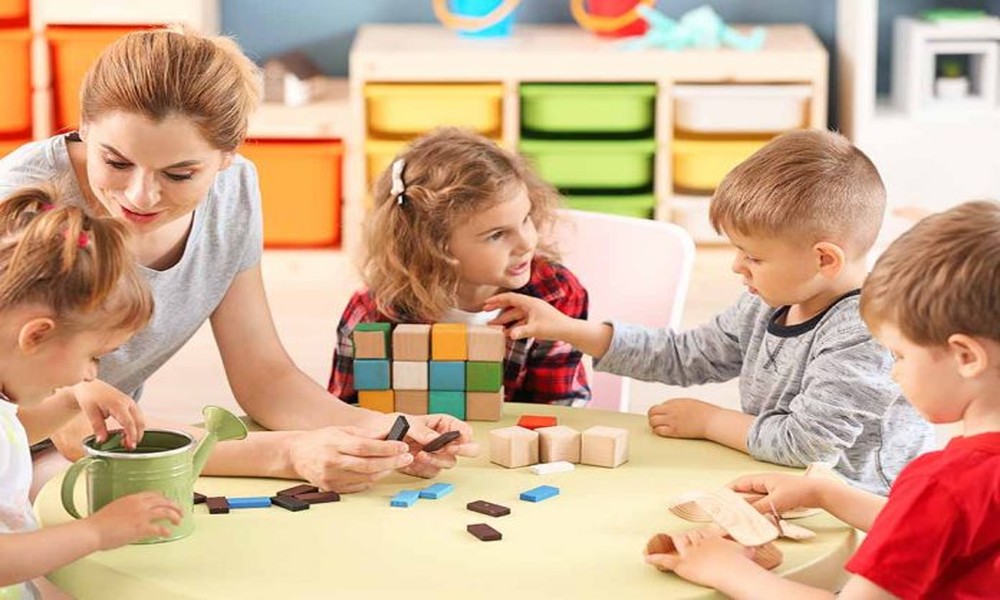
In particular, the transition into start kindergarten is huge milestone for children, as well as parents. It starts a new learning adventure with more routines, friends, and classroom activities. As a parent, the question “Is my child ready for this important stage or not?”
You can have a smoother transition from preschool to kindergarten with a kindergarten readiness checklist. It enables parents to know what skills children should possibly have before going to school.
What is a Kindergarten Readiness Checklist?
What is a Kindergarten Readiness Checklist? This includes the basic social, emotional, physical, and academic skills.
Learning at their own individual pace! The goal is not perfection. The checklist instead helps identify areas where a child might need additional help.
Social and Emotional Readiness
This work is social development − an integral ingredient of preparation for kindergarten. They also have to interact with other kids and be able to obey basic rules.
Skills included in a well-designed kindergarten readiness checklist are:
- Sharing toys and supplies
- Taking turns during activities
- Listening to teachers
- Expressing emotions calmly
- Playing cooperatively with other children
These skills help children adjust to classroom routines.
Building Independence
Teachers encourage students to do small chores themselves. Children who feel independent in school are more confident.
Children should practice:
- Washing hands without help
- Using the bathroom independently
- Putting on shoes or jackets
- Cleaning up after activities
Going back to school in those first weeks is tough but small daily habits have a major impact.
Basic Learning Skills
Mature academic readiness is also an essential element of any kindergarten readiness checklist. Kids are not expected to have expert level information but they should become familiar with simple concepts.
Helpful beginner skills include:
- Recognizing letters and numbers
- Identifying colors and shapes
- Holding crayons or pencils properly
- Listening to short stories
- Writing their first name
Reading to each other is one of the greatest early learning skills that take place at home.
Physical Development Matters Too
The kindergarten is full of active things like drawing, moving, and some active tasks. Fine motor and gross motor skills matter to participate in the classroom.
Children should be able to:
- Cut paper safely with scissors
- Stack blocks or complete puzzles
- Run, jump, and balance
- Hold small objects comfortably
Your kindergarten readiness checklist should address tools for physical growth in addition to academic progress.
How Parents Can Prepare Children?
There are free or inexpensive kindergarten readiness programs. The mere act of engaging only with daily routines or simple tasks help the child acclimatize to their daily routine.
Parents can support learning by:
- Creating regular bedtime routines
- Encouraging conversations at home
- Reading books every day
- Practicing simple instructions
- Allowing kids to deal with minor conflicts independently
Regularity helps children to have a more self-assured idea of how things work, all helps to prepare them for school life!
Final Thoughts
Children come to kindergarten with various strengths and abilities. A good kindergarten readiness checklist is exactly what parents want to keep in mind before digs the prospective pupil of the school.
An instance of a perfect customize version where kids are comfortable, confident, and excited to learn. The hope is with enough time, encouragement, and opportunity, kids will enter kindergarten ready to succeed.
